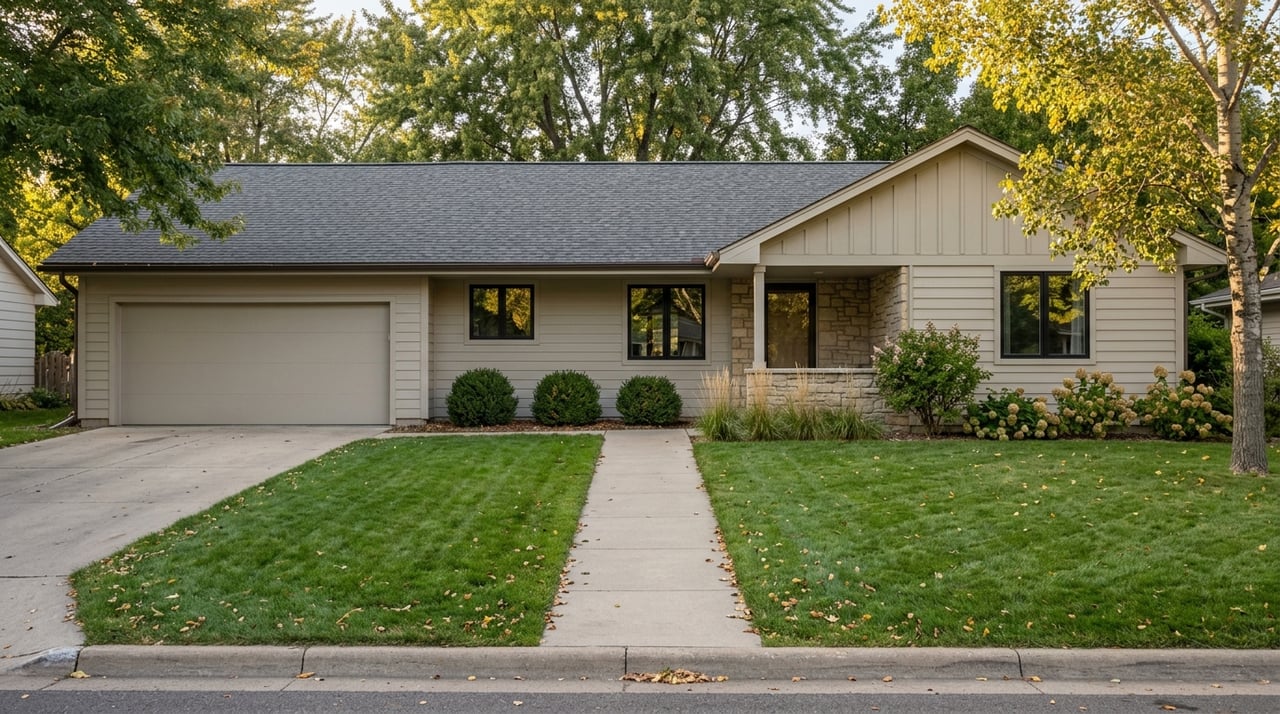
Should You Sell Or Rent Your Fort Collins Home For Arizona
June 25, 2026
June 25, 2026
Thinking about heading to Arizona but not sure what to do with your Fort Collins home? You are not alone. This is one of the biggest questions homeowners face during a cross-state move, especially when you want to protect your finances and keep your next step as smooth as possible. In this guide, you’ll see when selling may be the cleaner move, when renting could still work, and what Fort Collins rules and tax issues you need to factor in before you decide. Let’s dive in.
Your decision starts with the local numbers. Fort Collins is not a deeply discounted buyer’s market, but it is not an overheated seller’s market either. Recent market data shows homes are somewhat competitive, with about two offers on average and homes selling in roughly 49 to 51 days.
Prices remain meaningful for homeowners who have built equity. Recent figures put the median sale price around the mid-$500,000s, with average home value near $552,908 and median list price around $573,300. If you are moving to Arizona and want to unlock equity for your next purchase, this market can support that conversation.
On the rental side, average asking rent in Fort Collins is about $1,971. That sounds promising at first glance, but rent alone does not tell the full story. Against average home values, that works out to only a rough gross rent-to-value ratio of about 4.3% before expenses.
For many Fort Collins homeowners moving to Arizona, selling is the cleaner path. If you want funds for your Arizona purchase, do not want to manage a property from another state, or simply want fewer moving parts, a sale often creates the most straightforward transition.
There is also a possible tax advantage if this is your primary residence. Under IRS home-sale rules, eligible homeowners may exclude up to $250,000 of gain, or up to $500,000 for married couples filing jointly, if they meet the ownership and use tests. That can make a direct sale more appealing than holding the property as a rental first.
If you rent the home before selling, the tax picture can become more complicated. The IRS says depreciation allowed after May 6, 1997 for rental or business use cannot be excluded under the home-sale rules, and that depreciation may need to be recaptured as income. In simple terms, renting now and selling later can reduce part of the tax benefit you might have had with a direct sale.
Renting can make sense in the right situation. If you want to keep a long-term asset in Fort Collins, expect the property to appreciate over time, or think you may return to Colorado later, holding the home may fit your goals better.
The key question is whether the property can produce acceptable net income after expenses. That includes more than the mortgage. Common rental expenses can include maintenance, insurance, property taxes, interest, repairs, utilities, management fees, and depreciation.
That is why average rent is only a starting point. A home that looks fine on paper at $1,971 per month may feel very different once you account for vacancy, repairs, compliance costs, and the realities of long-distance ownership from Arizona.
Before you choose the rental path, run the numbers conservatively. You want to know what the property could actually put in your pocket after ordinary ownership costs, not just what a tenant might pay each month.
A simple screening checklist can help:
If the margin is thin, selling may be the safer decision. If the home still performs well after realistic expenses, renting may deserve a closer look.
If you move to Arizona and keep your home as a long-term rental, Fort Collins has rules you need to follow. As of January 1, 2025, most long-term rental properties must be registered annually and certified as meeting minimum housing standards.
The City uses a self-certification process rather than requiring an inspection for registration. The annual base registration fee is $37 per rental property, plus $10 for each additional rental unit on the same piece of property. The fee is modest, but the registration is mandatory, and fines can apply if an owner does not comply.
Owning from a distance also means staying on top of habitability and maintenance. The City says landlords should complete needed repairs, keep units habitable, address maintenance promptly, and provide proper notice before entry. If you will be living in Arizona, that may influence whether self-management is realistic.
A property manager is not required, but it may be worth considering if you are moving out of state. Fort Collins guidance notes that property managers can help respond to maintenance issues more quickly, reduce vacancy times, and save owners time.
For some homeowners, that support is worth the added cost. For others, those fees can make the rental math less attractive. This is one of the clearest places where your financial goals and your tolerance for hands-on management need to line up.
Moving to Arizona does not automatically end your Colorado tax connection if you keep the Fort Collins home as a rental. The Colorado Department of Revenue says nonresidents with Colorado-source income, including rental income, must file a Colorado return if they have a filing requirement.
That does not mean renting is a bad idea. It does mean your move becomes a little more complex. If you keep the property, plan on discussing the state tax side with a CPA before you decide.
One of the most common mistakes homeowners make is assuming their current homeowners policy will still fit once the property becomes a rental. Insurance guidance notes that homeowners policies are designed around owner-occupied homes, and when a home is rented, landlord coverage may be more appropriate.
Before you list the property for rent, review coverage with your insurance agent. This is a practical step, but it can also affect your monthly costs enough to change your rent-versus-sell analysis.
If you choose to rent, be aware that Colorado security deposit rules are specific. State summaries say a landlord may not require a security deposit greater than two monthly rent payments.
The landlord must also provide a written statement of reasons for any retained portion and return the deposit within a 60-day window. A walk-through inspection can also be requested if reasonable and practicable. These are manageable rules, but they matter, especially if you are operating the property from another state.
Some owners think a few seasonal or weekend rentals could be easier than committing to a long-term tenant. In Fort Collins, that is usually the most restrictive option.
The City defines short-term rentals as rentals under 30 days. They are allowed only in certain zones and require licensing. Owners must first obtain a sales tax and business license, provide proof of ownership and personal liability insurance, name a local contact who can help within four hours, and pay a $500 non-refundable application fee. The license must be renewed every year, and the renewal fee is also $500.
The City also says only the owner may operate a short-term rental. That means a long-term tenant cannot turn your home into a short-term rental, and an absent owner has more operational responsibility. For most homeowners making a move to Arizona, a standard long-term lease is usually the simpler rental path.
If you are torn between selling and renting, these questions can help bring the answer into focus:
If most of your answers point toward simplicity, liquidity, and fewer ongoing obligations, selling may be the better fit. If your answers point toward long-term ownership, acceptable net income, and comfort with compliance, renting may still work well.
This decision is rarely just emotional or just financial. It is both. Your Fort Collins home may hold years of memories, but your next move to Arizona also needs to work on paper.
A smart next step is to look at your likely sale proceeds, compare them with realistic rental income after expenses, and then layer in taxes, insurance, and local compliance. Once you see the full picture, the right answer usually becomes much clearer.
If you want a steady, local-first perspective on your Fort Collins options and a smoother Colorado-to-Arizona transition, connect with Catherine Montgomery. You’ll get thoughtful guidance, neighborhood-level insight, and experienced support as you decide whether selling or renting is the right move.
July 23, 2026
July 16, 2026

July 9, 2026
July 2, 2026
June 25, 2026
June 18, 2026

June 11, 2026

June 4, 2026
May 28, 2026
Known for my approachable, professional style, I combine strong negotiation skills with modern marketing and technology to help clients achieve their real estate goals.

Catherine Montgomery
PO BOX: 270005 Fort Collins, CO 80527