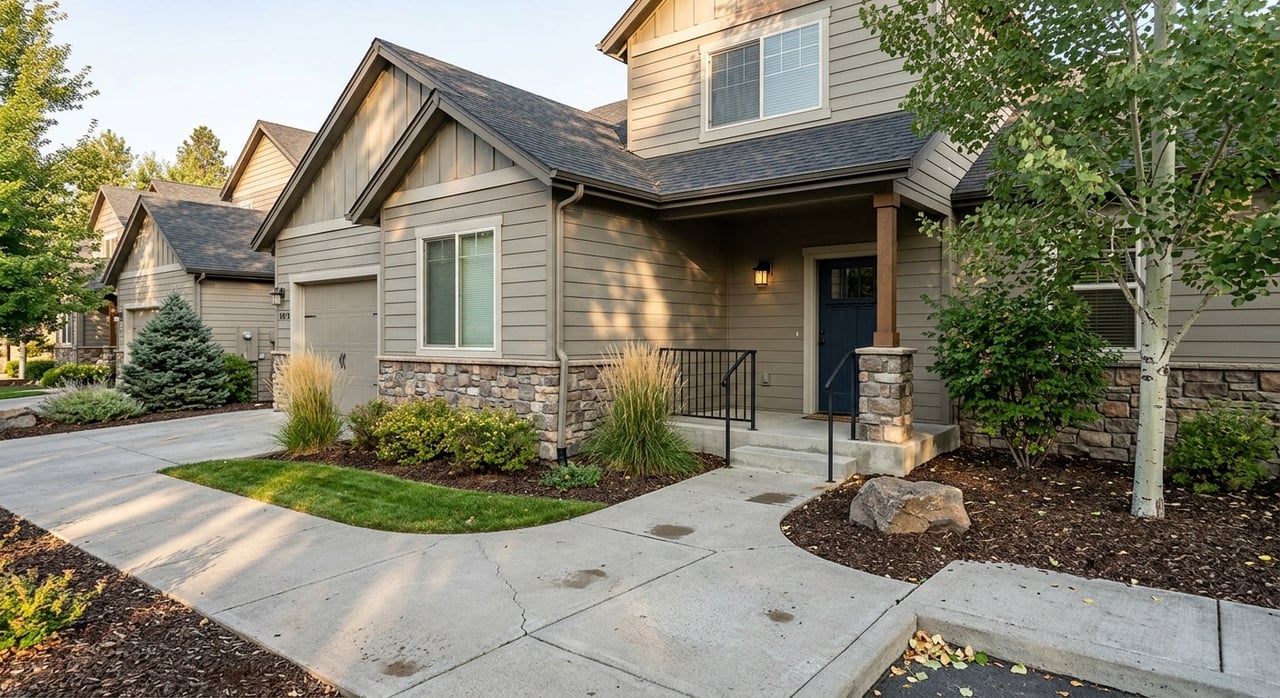
Fort Collins Condo And Townhome Living Guide
June 18, 2026
June 18, 2026
Wondering whether a condo or townhome in Fort Collins could give you the right mix of price, convenience, and lifestyle? If you want lower-maintenance living without giving up access to trails, shopping, dining, and neighborhood services, attached housing may be worth a closer look. This guide walks you through what to expect, where these homes tend to show up, and what to review before you buy. Let’s dive in.
Condos and townhomes often attract buyers who want a simpler day-to-day routine. In Fort Collins, they can also offer a lower entry point than the broader housing market, which matters if you are buying your first home, downsizing, or trying to stay close to the areas you use most.
In March 2026, Redfin reported Fort Collins had an overall median sale price of about $530,000. By comparison, current listing medians in late May and mid-June 2026 were about $350,000 for condos and about $450,000 for townhouses. That price gap is one reason attached housing remains a practical option for many local buyers.
Fort Collins attached housing covers a wide range of layouts and sizes. Current Harmony-area condo listings show homes from roughly 618 to 1,700 square feet, with one to three bedrooms. Depending on the property, you may also see features like private patios, balconies, community gardens, hot tubs, lake views, open space, and trail access.
Townhomes and condos can feel similar when you tour them, but the ownership structure matters just as much as the floor plan. In Colorado common-interest communities, owners typically share common areas, pay association dues, and follow community covenants and rules.
That means your decision is not only about bedrooms, finishes, or garage space. It is also about how the community is run, what maintenance is shared, and what responsibilities stay with you as the owner.
For many buyers, the word townhome describes the building style more than the ownership rules. In Colorado, the declaration and the governing documents explain what is owned individually, what is shared, and who handles maintenance.
In general, the homeowners association is responsible for common elements, while the unit owner is responsible for the unit, unless the declaration says otherwise. That is why two homes that look very similar can come with very different maintenance obligations and monthly costs.
Before you fall in love with a specific home, make sure you know:
In Fort Collins, attached-housing buyers often focus on Old Town and Downtown, Midtown, and South Fort Collins. These areas tend to line up well with the city’s pattern of services, transportation, and everyday convenience.
Old Town is widely known as the historic core. Midtown is closely tied to College Avenue and the MAX corridor. South Fort Collins and the Harmony area are known for newer development along with major shopping and dining destinations.
Current active listing patterns also show recurring concentrations in places such as Coles Crossing, Rigden Farm, Old Town, Downtown Fort Collins, Lake Chase Condominiums, and Prospect-Shields. If location and convenience are high on your list, these are often the first places buyers start comparing.
City planning helps explain why attached housing often shows up near these parts of town. Fort Collins’ 15-Minute City effort focuses on placing more daily services within neighborhoods and improving walking, biking, and rolling options.
The South College Corridor Plan also points to rising demand for alternative residential products such as townhomes as the corridor approaches buildout. In simple terms, attached housing often fits best near established corridors and neighborhood centers rather than only at the outer edge of town.
If you are buying a condo or townhome, the HOA deserves the same attention as the kitchen or primary suite. Colorado’s HOA Center says common-interest communities are governed by CCIOA, and it estimated that about 46% of Colorado’s population lived in one at the end of 2024.
That matters because the declaration, CC&Rs, bylaws, and rules shape your day-to-day ownership experience. They can affect parking, vehicles, pets, exterior changes, landscaping, and other uses of the property.
For some buyers, that structure is a benefit. You may get less exterior maintenance and more consistency across the community. For others, the rules can feel limiting, especially if you want more control over the exterior or more flexibility in how you use the property.
A smart condo or townhome purchase in Fort Collins starts with due diligence. You want to understand not just the home itself, but the health of the association behind it.
Colorado advises buyers to review governing documents, verify whether the HOA is registered before signing a contract, and ask questions about the community’s finances and likely large expenditures. Sellers are also required to disclose whether the property is in an HOA during the purchase process.
Focus on these five questions first:
What do the dues cover?
Regular assessments may fund maintenance, landscaping, insurance, legal fees, and other operating costs.
Are special assessments planned or likely?
Special assessments are often used for major repairs, replacements, or reserve funding.
Does the HOA have a healthy reserve policy?
Colorado notes that associations must have a reserve-study policy, even though a reserve study itself is not mandatory.
How much exterior maintenance is handled for you?
This can vary a lot by community and directly affects your lifestyle and future expenses.
Do the rules match how you want to live?
Review restrictions that may affect pets, parking, exterior updates, and property use.
It is also wise to ask about:
These details can tell you a lot about whether a lower list price truly fits your long-term budget.
A condo or townhome can look more affordable at first glance, but your monthly housing cost does not stop with principal, interest, taxes, and insurance. HOA dues need to be part of the full picture from day one.
That does not make attached housing a bad deal. It simply means you should compare homes based on total monthly cost, not just sticker price. A condo with a lower list price but higher dues may or may not be the better fit for your finances.
When you are comparing options, it helps to think in terms of tradeoffs. You may pay dues, but you may also spend less time and money on exterior upkeep, landscaping, or shared amenities that would be costly to maintain on your own.
Financing for condos can involve extra project-level review, so it helps to start early. HUD says FHA condo loans depend on condominium project approval or single-unit approval, and Fannie Mae provides eligibility tools for lenders to check project status.
That is one reason preapproval matters before you shop seriously. The CFPB notes that a preapproval letter helps you understand what you can borrow, and it can be especially useful when condo project requirements may affect your financing options.
If you are leaning toward a condo rather than a townhome, ask your lender early whether the community meets the loan standards tied to your financing path. That simple step can save time and reduce surprises.
Condos and townhomes often work well if you value convenience, lower-maintenance living, and easy access to neighborhood services. In Fort Collins, that can mean being closer to trails, shopping areas, dining, and transit-connected corridors.
They may also suit buyers who want shared amenities or who prefer not to spend weekends on exterior upkeep. For some relocators and downsizers, that easier maintenance model is one of the biggest advantages.
Attached housing may be less ideal if you want a large yard, broad freedom to change the exterior, or maximum flexibility for alternate property uses. The right fit depends on how you want to live just as much as what you want to spend.
If part of your plan involves short-term rental use, you will need to verify both city rules and HOA rules carefully. Fort Collins allows short-term rentals only in certain zones and requires HOA covenants to allow them.
The city also says condo or apartment buildings with three or more units are generally not eligible for short-term-rental use under the normal rules. If that flexibility matters to you, make it a front-end screening question before you tour too many properties.
The best condo or townhome search usually starts with your priorities, not just price. Think about where you want to be in the city, how much maintenance you want to handle, what monthly payment feels comfortable, and what rules you can live with.
From there, compare communities as carefully as you compare floor plans. In Fort Collins, one attached home may offer walkable convenience and low exterior upkeep, while another may offer more space but higher dues or tighter rules.
A thoughtful side-by-side review can help you avoid choosing a home that looks right on paper but feels off once you understand the association, the budget, and the lifestyle tradeoffs.
If you want help sorting through condo and townhome options in Fort Collins, Catherine Montgomery offers local, high-touch guidance to help you compare communities, costs, and lifestyle fit with confidence.
July 23, 2026
July 16, 2026

July 9, 2026
July 2, 2026
June 25, 2026
June 18, 2026

June 11, 2026
June 4, 2026
May 28, 2026
Known for my approachable, professional style, I combine strong negotiation skills with modern marketing and technology to help clients achieve their real estate goals.
Catherine Montgomery
PO BOX: 270005 Fort Collins, CO 80527