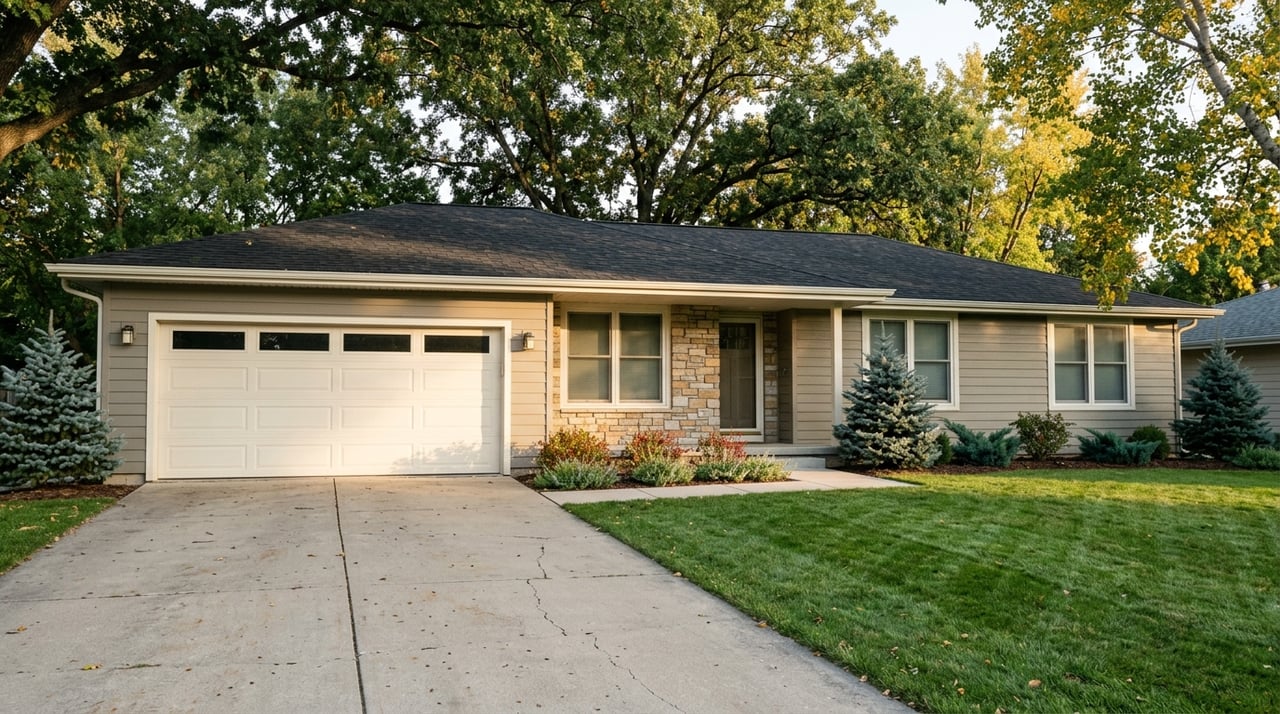
Selling A Home In Loveland: Local Pricing And Prep Guide
May 7, 2026
May 7, 2026
If you price your Loveland home by a citywide average alone, you could leave money on the table or sit longer than you expected. Selling here in spring 2026 takes more than guessing a number and tidying up a few rooms. You need a local pricing strategy, smart prep, and a clean launch plan that fits your property and your part of town. Let’s dive in.
Loveland is not standing still, but it is not racing either. Current data points to a moderately competitive, balanced market where buyers are active and sellers still need to be thoughtful.
Redfin reports a March 2026 median sale price of $497,950, median 51 days on market, about 2 offers on average, and a 98.8% sale-to-list ratio. Realtor.com’s April 2026 snapshot shows a median sold price of $502,450, a median listing price of $548,000, 729 active listings, 39 median days on market, and a 100% sale-to-list ratio.
The exact numbers vary by source because the methodologies differ. The big takeaway is the same: pricing and presentation matter in Loveland right now.
One of the biggest pricing mistakes sellers make is leaning too heavily on a single citywide number. In Loveland, local variation is meaningful enough that your neighborhood, ZIP code, and property details can change the pricing conversation fast.
Realtor.com data shows Northwest Mountain View at a $657,450 median listing price and 28 median days on market. East Central Loveland comes in at $424,500 and 39 days, while Centennial sits at $495,000 and 46 days.
At the ZIP code level, 80538 shows a $535,000 median listing price and 34 days on market. In 80537, the median listing price is $560,000 with 42 days on market.
That spread is why a strong pricing strategy starts with recent nearby sold comps, not a broad Loveland average. A buyer comparing your home is usually looking at homes in the same area, with similar size, style, lot features, and condition.
Recent comparable sales should lead the process. Larimer County makes clear that assessed value is used for taxation and should not be treated as a substitute for current market pricing.
That matters because county reappraisal uses a longer sales window. For 2025 and 2026, Larimer County says residential reappraisal relies on 24 months of sales data, which is useful for taxes but not precise enough for a live market launch.
A better pricing discussion looks at the immediate neighborhood first, then adjusts for features that affect buyer demand and appraisal support. Fannie Mae notes that appraisers weigh factors such as:
In Loveland, you may also need to account for highly local details that change how buyers view value. These can include:
Loveland’s city property report includes layers for floodplain, environmental covenants, oil and gas permits, metro districts, zoning, subdivision history, and PUD documents. For some homes, those details are minor. For others, they can directly shape pricing, buyer questions, and how the property should be marketed.
Today, buyers often meet your home online before they ever walk through the front door. That means your prep work needs to start with how the home will look in photos and video, not just how it feels in person.
NAR reports that 52% of buyers found the home they purchased online, and 81% rated listing photos as the most useful feature in their search. In other words, your online presentation is often your first showing.
The same guidance notes that high-resolution photos and video tours are a must, and that cameras tend to magnify clutter, grime, and poor furniture placement. Even a home that feels acceptable day to day can look crowded or tired on screen.
If you do not want to stage every room, prioritize the areas buyers notice first. According to NAR’s 2025 home staging profile, the rooms most worth focusing on are the living room, primary bedroom, and kitchen.
That report also found that 83% of buyers’ agents said staging helps buyers visualize a property as their future home. About half of sellers’ agents saw staging shorten time on market, and 29% said it increased the dollar value offered by 1% to 10%.
You do not always need a full redesign. Often, the highest-impact prep includes:
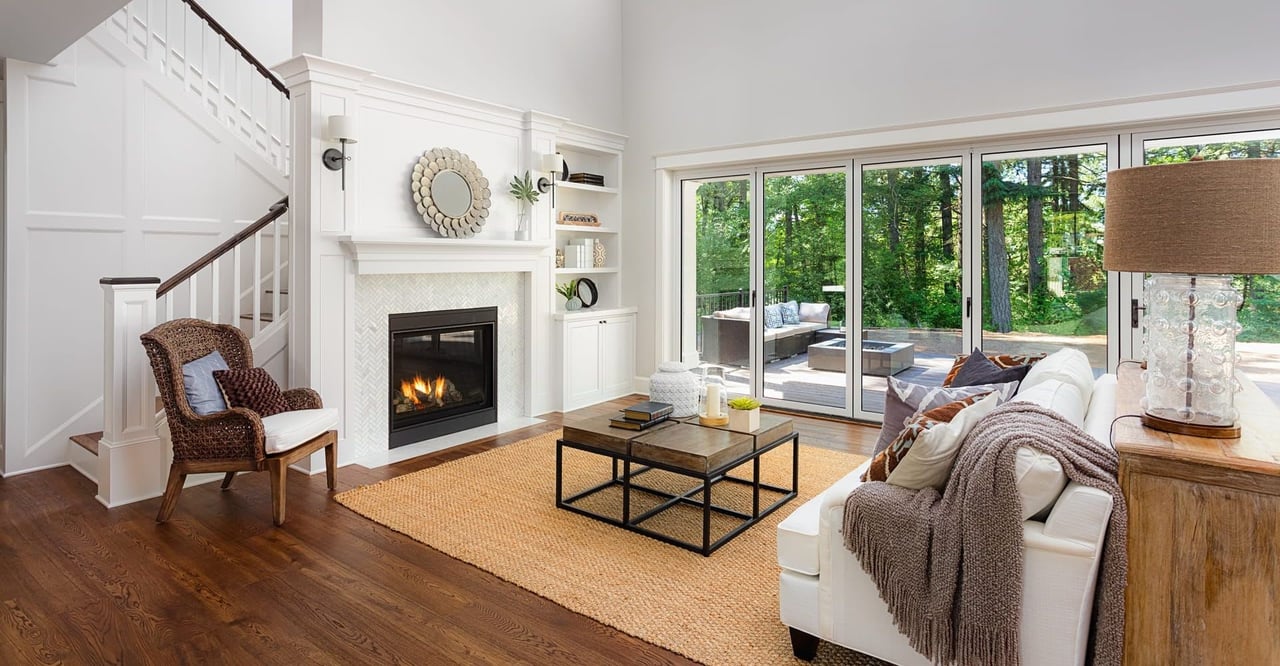
For many Loveland sellers, the goal is simple: make the home feel bright, open, and easy to understand at a glance.
Showing prep goes beyond appearance. You also want the home to feel easy for buyers to tour while protecting your privacy and keeping the process smooth.
Before showings, NAR recommends that sellers depersonalize, deep clean, secure valuables, and discourage unapproved photography. It also notes that appraisers, data collectors, inspectors, and repair professionals may enter the home during the sale process.
A practical showing checklist can help:
These steps help your home present better and help you stay more comfortable during a busy listing period.
Many sellers focus on getting the home under contract and assume the hard part is over. In reality, appraisal is its own milestone, and it can affect the final outcome of the sale.
Fannie Mae explains that appraisals are based on the home’s condition and characteristics, plus location, recent comparable sales, and market trends. If the appraisal comes in low, the result can be renegotiation, a larger cash requirement for the buyer, or even a canceled deal depending on the contract.
That is why it helps to prepare your documentation before the appraiser arrives. NAR recommends gathering an appraiser’s package that may include:
For Loveland homes with unusual lot features, metro district considerations, floodplain context, or non-standard utility setups, organized property information can be especially helpful.
A pre-sale inspection is not required, but it can help you make better decisions before your home hits the market. It may give you time to repair issues, adjust pricing expectations, or prepare clear documentation for buyers.
NAR says an inspection can identify repair items that may affect asking price. It may also reveal concerns such as mold, radon gas, lead paint, or asbestos.
Even if you choose not to complete every repair, it still helps to know what could come up. NAR also recommends keeping warranties, guarantees, and user manuals for systems and appliances that will stay with the home, and estimating the cost of major repairs if you do not plan to make them.
In Colorado, disclosure prep should start early, not after you receive an offer. The state’s Commission-approved Seller’s Property Disclosure for residential property includes prompts for common-interest communities and owner associations, metro districts, radon, source of water, sewer or septic, flooding and drainage, and other environmental or structural issues.
The Colorado Division of Real Estate also states that brokers must disclose known adverse material facts. During the listing period, negotiations and communications are routed through the broker under the listing contract.
If your home was built before 1978, federal lead-based paint disclosure rules may apply. Sellers of most pre-1978 housing must disclose known lead-based paint and lead-hazard information, provide available records and reports, and give buyers an opportunity for inspection or testing before contract.
Colorado sellers should also pay close attention to radon. The Colorado Department of Public Health and Environment says roughly half of Colorado homes exceed the EPA action level of 4.0 pCi/L.
For Loveland-area properties outside full municipal utility service, buyers often ask early about water and septic details. If that applies to your property, it can help to gather:
Having these materials ready can reduce delays and build buyer confidence.
In a market like Loveland, a broker’s value goes far beyond putting a home in the MLS. The real work is building a pricing strategy around local comps, creating a launch plan, managing exposure, protecting your privacy, and keeping the sale moving from listing through appraisal and closing.
That is especially important in a city where conditions can shift by neighborhood, ZIP code, district obligations, floodplain exposure, and utility setup. A well-supported list price and a well-documented property package can help your home compete more effectively from day one.
At a boutique brokerage, that process can feel more personal and more precise. You benefit from senior-level guidance, local market context, and a hands-on approach that keeps the details from slipping through the cracks.
If you are getting ready to sell in Loveland, a thoughtful plan can make the process feel much more manageable. When you want local guidance, careful pricing, and personalized support from start to finish, connect with Catherine Montgomery.
May 21, 2026
May 14, 2026
May 7, 2026
April 23, 2026
April 16, 2026
April 2, 2026
March 24, 2026
March 5, 2026
February 19, 2026
Known for my approachable, professional style, I combine strong negotiation skills with modern marketing and technology to help clients achieve their real estate goals.
Catherine Montgomery
PO BOX: 270005 Fort Collins, CO 80527