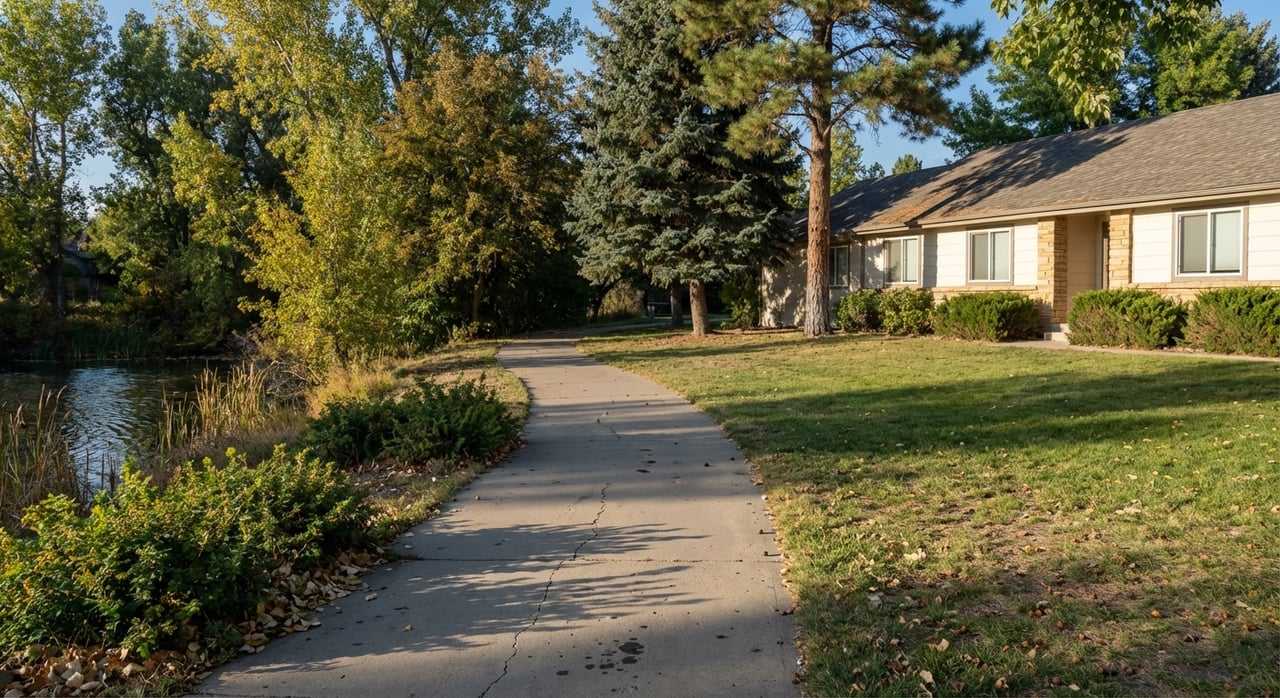
Everyday Lifestyle in Fort Collins Neighborhoods
February 19, 2026
February 19, 2026
What does a typical Tuesday look like when you live in Fort Collins? Maybe a 20‑minute commute, a bike ride on a paved trail, and a quick stop at a local market before an evening concert or game. If you are deciding whether Fort Collins fits your everyday rhythm, it helps to see how life flows by neighborhood. In this guide, you will get a practical look at commutes, trails, events, and weekly errands so you can picture your day-to-day routine. Let’s dive in.
Fort Collins is a midsize city with about 170,924 residents, according to the latest U.S. Census estimate. The Census also reports a median value of owner-occupied homes around $548,400 and a mean travel time to work of about 20 minutes, which sets the tone for short daily drives for many residents. You will also feel the presence of Colorado State University, a major campus with roughly 34,218 students in 2024 to 2025 that fuels sports, arts, and a steady calendar of events. The city is known for its bike-forward culture and a broad network of paved and natural-surface trails that make active transportation a real option for many trips.
Neighborhood names can vary across maps and local use. These snapshots focus on daily routines, not strict borders. For broader context and maps, check the Visit Fort Collins neighborhood overview.
Old Town is historic and walkable, with restaurants, cafes, shops, and frequent street events. If you like to walk to dinner or a weekend market, this area puts you close to the action. Housing ranges from older single-family homes and historic properties to condos and lofts, which often trade bigger yards for a central location. Many residents bike or walk for short errands, and transit options connect you to other parts of town.
Life near CSU feels energetic, with a younger mix of residents, campus events, and regular sports and arts programming. If you want frequent games, performances, and coffee shops within minutes, this area aligns with that lifestyle. Housing includes multifamily buildings and single-family homes with a mix of lease terms and turnover. Expect strong bike and transit use for daily trips and quick access to central corridors.
Midtown blends retail, restaurants, breweries, and a mix of housing types in a central location. Day-to-day life often includes short drives to errands and weekly stops at neighborhood hubs such as shopping centers and artisan clusters. The Spring Creek and Mason trail corridors run through parts of Midtown, which helps if you want to blend walking or biking into your routine. The MAX corridor ties North and South Fort Collins together on a frequent schedule, which many residents use for work and school trips.
South Fort Collins includes newer subdivisions and master-planned neighborhoods with strong retail nodes and parks. This is a convenient base if you want short drives to big-box retail, newer restaurants, and quick freeway access. You will find many single-family homes and a suburban-style pattern that makes school, sports, and errands simple to plan. Weekends often mean local parks, neighborhood gatherings, and easy access to the MAX line at the South Transit Center.
West Fort Collins is the gateway to Horsetooth Reservoir and foothills trail systems. If your weekly routine includes mountain biking, trail running, climbing, or boating, this side of town keeps those options close. Commuting into central Fort Collins is common and manageable for many residents. Popular trailheads can get busy on weekends, so early start times or off-peak outings can help.
On the northeast and east edges, you will find newer single-family developments and a bit more open space. This area is convenient if you commute toward I‑25 or regional job centers. Daily life tends to center on home, parks, and short drives for groceries. You can reach the Poudre River Trail and other natural areas for regular walks and bike rides.
Most people drive for everyday errands, but the city’s transit and trail systems make it easy to mix modes when you want. The average commute time in Fort Collins is about 20 minutes, which supports a workday routine with short drives for many households. The MAX bus rapid transit spine connects South Fort Collins, CSU, and Downtown, and local Transfort routes and FLEX regional service expand your reach. If you prefer active transportation, paved trails and low-stress bike routes help link neighborhoods to schools, parks, and shopping.
The city’s trail and natural-area network is a big part of local life, with dozens of natural areas and paved paths that thread through neighborhoods. The Poudre River Trail serves as a linear park that supports both recreation and commuting, especially in spring through fall. West of town, Horsetooth Mountain Open Space and the reservoir are go-to spots for hiking, mountain biking, and time on the water. The social calendar often follows CSU events, Old Town markets and festivals, and community bike gatherings like Tour de Fat.
Helpful links:
Use these quick checks to see how a neighborhood supports your lifestyle:
Recent summaries place many Fort Collins and Larimer County home prices in the low to mid 500 thousand range, although prices vary by neighborhood and home type. The Census also lists a median value of owner-occupied homes near $548,400, which aligns with that picture. Condos, townhomes, and detached homes will see different price points and days on market. If you want the clearest view, pair an MLS search with on-the-ground visits to see how each area supports your routine.
Ready to match your lifestyle with the right Fort Collins neighborhood? Reach out to Catherine Montgomery for a local, senior-led conversation and Start Your Home Search.
May 21, 2026
May 14, 2026
May 7, 2026
April 23, 2026
April 16, 2026
April 2, 2026
March 24, 2026
March 5, 2026
February 19, 2026
Known for my approachable, professional style, I combine strong negotiation skills with modern marketing and technology to help clients achieve their real estate goals.
Catherine Montgomery
PO BOX: 270005 Fort Collins, CO 80527