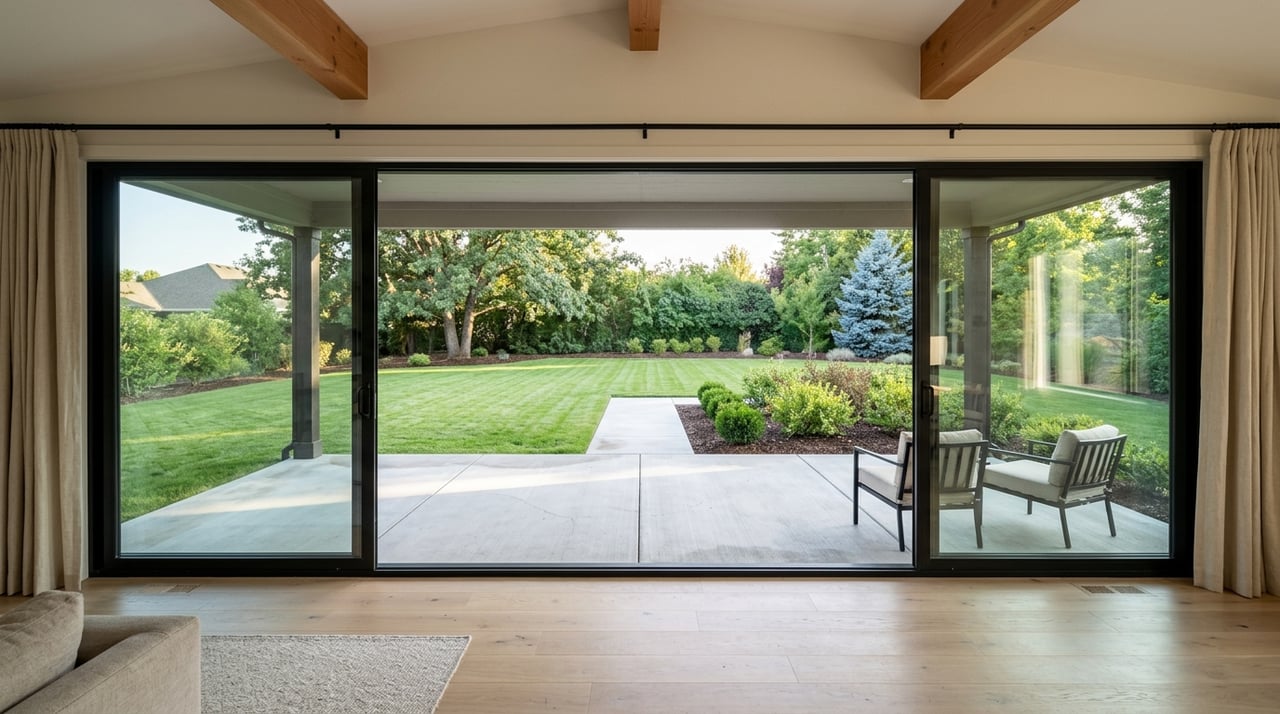
Johnstown Colorado Real Estate: Is This Move Right?
April 16, 2026
April 16, 2026
Wondering if Johnstown, Colorado should be on your shortlist? If you want a community with room to grow, strong regional access, and a housing market that leans more suburban than urban, Johnstown deserves a closer look. The key is understanding what daily life here really looks like so you can decide whether it matches your goals, budget, and routine. Let’s dive in.
Johnstown has been growing quickly, and that alone puts it on many buyers’ radar. According to the town’s FY 2025 budget, Johnstown is considered one of Northern Colorado’s fastest-growing communities, with an estimated population of 20,639 as of July 1, 2024.
That growth is not happening in isolation. Johnstown sits along Interstate 25, about 50 miles north of Denver and 25 miles south of Fort Collins, with convenient ties to Loveland, Windsor, Milliken, Berthoud, and Greeley. If you want a home base in Northern Colorado with access to multiple job centers and shopping hubs, that location is a big part of the appeal.
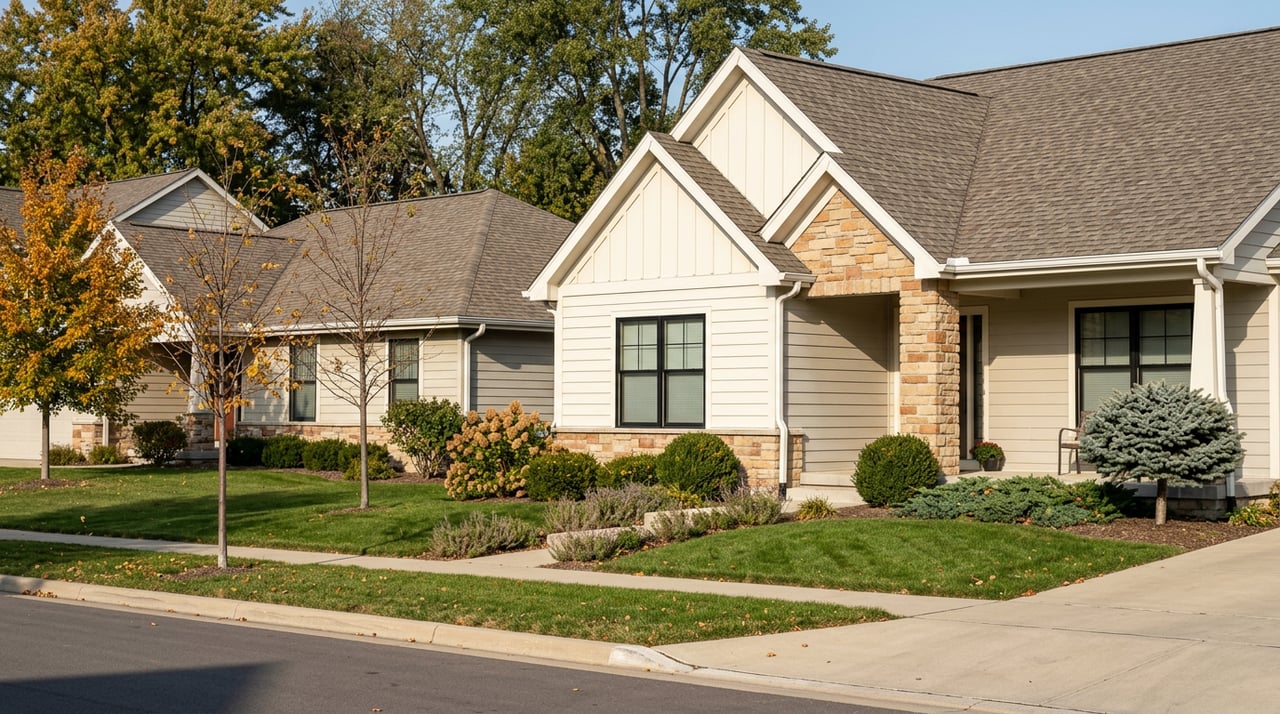
Johnstown tends to appeal to people looking for a more residential setting rather than a dense, urban environment. The housing stock is dominated by single-family homes and townhomes, with the town reporting 6,699 single-family homes and townhomes compared with 1,113 condos and apartments in its 2025 budget.
The town also has a strong owner-occupied profile. Depending on the source and timeframe, about 74.9% to 77.9% of homes are owner-occupied, based on data from the Town of Johnstown and U.S. Census QuickFacts. For you as a buyer or seller, that can signal a market where many homeowners are putting down roots instead of treating homes as short-term stops.
A few numbers help paint a clearer picture of the community:
These figures from the Town of Johnstown budget and Census QuickFacts suggest a community with relatively high homeownership, above-average incomes, and a household mix that includes many residents with children.
If you are shopping for a home in Johnstown, your experience may feel different from searching in an older, more urban Northern Colorado market. The local housing mix leans toward detached and low-density homes, which can be a strong fit if you want more typical suburban layouts and neighborhoods.
That said, fit matters more than hype. Johnstown may be a strong option if you are looking for:
It may be a weaker fit if your priority is:
For sellers, Johnstown’s owner-occupied base and continued growth can support steady interest from buyers looking for a long-term home. Buyers drawn to the area often want space, practical commuting access, and a community that continues to invest in public amenities.
That does not mean every property will appeal to every buyer. Positioning matters. A seller in Johnstown usually benefits from marketing that highlights what buyers are coming here for, such as housing style, access to major roads, recreation options, and the town’s evolving downtown and park system.
One reason Johnstown stands out is that it offers a visible range of public amenities for a town its size. The town operates seven public parks, and the parks system includes playgrounds, picnic shelters, walking paths, fishing, basketball, volleyball, a skate park, a hockey rink, and soccer fields.
The Johnstown Community YMCA adds even more day-to-day convenience. As noted in the town’s public materials, the facility includes a fitness center, indoor track, pools, splash pad, sauna and steam rooms, multipurpose fields, a preschool, community event space, and pickleball courts.
Downtown amenities also add to the local feel. Johnstown includes a community and senior center, a renovated library, and the historic Parish House museum, which gives the civic core more than just pass-through traffic.
If you are trying to judge where Johnstown is headed, the planning documents matter. The town’s Downtown Master Plan was approved on August 15, 2025, with goals centered on a more dynamic, walkable, and interconnected downtown.
Other town planning efforts point in a similar direction. Johnstown’s master planning covers land use, housing, transportation, and public services, while park plans for Centennial and Letford include features such as an event lawn, splash pad, natural play areas, picnic shelters, and walking loops.
For you, that means Johnstown is not standing still. It is a town that is actively working on its civic spaces and long-term mobility, even if the community today still functions largely around driving.
Commuting is one of the biggest quality-of-life questions for anyone considering Johnstown. The town has strong road access through I-25, Highway 60, and Highway 34, and transportation planning documents note direct regional connections to Loveland, Greeley, Berthoud, and Milliken.
That regional access is a major plus if your work, family, or daily routine spans more than one city. Johnstown can make sense for buyers who want to live in one community while staying connected to the broader North Front Range.
Still, it is important to be realistic about transportation style. The U.S. Census QuickFacts lists a mean travel time to work of 30.5 minutes, and town planning materials note limited alternative transportation options and no scheduled public transit service in the community.
There are some supportive options, including Via Mobility paratransit for eligible residents and park-and-ride access along I-25. But in practical terms, Johnstown is still a car-dependent community for most households.
If you commute on I-25 regularly, current road work should be part of your planning. The Colorado Department of Transportation reports that the I-25 North Express Lanes between Berthoud and Fort Collins began tolling on April 7, 2026, and a southbound express-lane closure between Johnstown and Berthoud is planned through late 2027.
That does not make Johnstown less viable, but it does mean your actual drive times may vary depending on project phases, route habits, and work schedules. If commuting is central to your move, it is smart to test the drive more than once and at realistic times.
Johnstown is not only a bedroom community. The town’s FY 2025 budget says there are more than 480 companies locally, with employers spanning retail, education, construction, healthcare, manufacturing, distribution, and logistics.
Major employers listed by the town include Scheels, Weld County School District, Sampson Construction, Northern Colorado Rehabilitation Hospital, Swire Coca-Cola, FedEx Ground, Buc-ee’s, and Kroger Fulfillment Center. For you, that means Johnstown offers both regional access and a meaningful local employment base.
Johnstown could be a great fit if you want a growing Northern Colorado community with suburban housing, a high rate of homeownership, strong park and recreation amenities, and easy highway access to nearby cities. It offers a practical middle ground for many buyers who want more space and a less urban feel while staying connected to larger job and service hubs.
It may be less ideal if your top priority is dense walkability, broad transit access, or a more established urban core right now. Johnstown is evolving, and its long-term plans show movement toward better connectivity and downtown vitality, but your best decision comes from matching the town’s current reality to your lifestyle.
If you are weighing Johnstown against other Northern Colorado communities, working with a local advisor can help you compare not just price points, but also commute patterns, housing style, and day-to-day livability. When you are ready to explore your options, Catherine Montgomery can help you sort through the details and find the fit that makes sense for your next move.
May 21, 2026
May 14, 2026
May 7, 2026
April 23, 2026
April 16, 2026

April 2, 2026
March 24, 2026
March 5, 2026
February 19, 2026
Known for my approachable, professional style, I combine strong negotiation skills with modern marketing and technology to help clients achieve their real estate goals.

Catherine Montgomery
PO BOX: 270005 Fort Collins, CO 80527